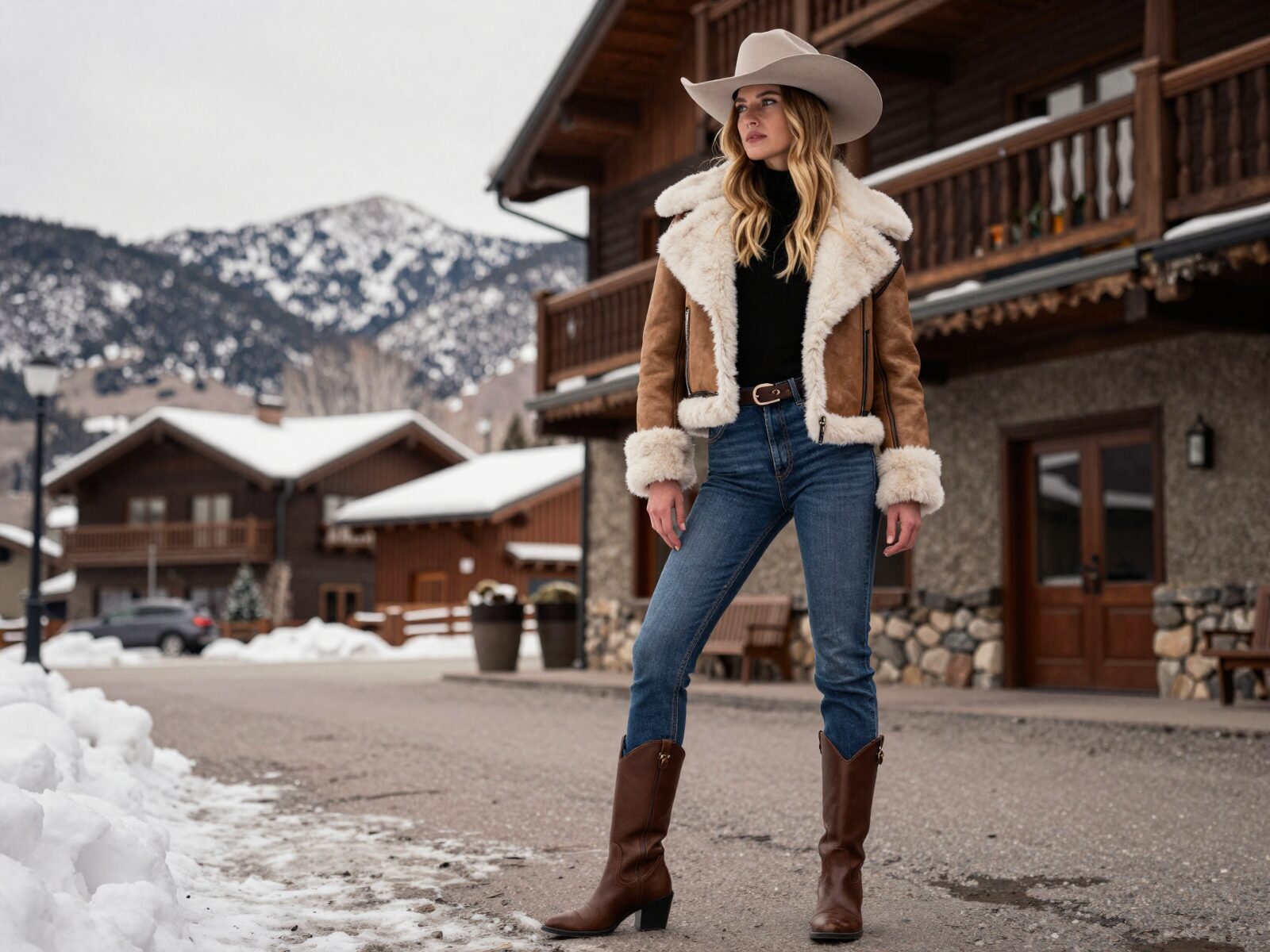
The New Frontier of Luxury: Aspen, Cowboy Core, and the Rise of High-Altitude Influencer Culture
*Disclosure: This post may contain affiliate links. If you make a purchase, we may earn a small commission at no extra cost to you. Thanks for supporting TwoStep and Tequila!
Giddy Up, Glamour:
Why Aspen is the New Runway
From “Yellowstone” binges to Dior pop-ups, the American West has been rebranded. We crunched the numbers on the “Cowboy Core” explosion.
300%
Rise in Boot Sales
#1
Winter Destination
12.5M
Hashtag Uses
The mid-2020s have ushered in a profound cultural realignment at the intersection of luxury fashion, digital influence, music, and Americana. What began as a visual trend has matured into a full-scale lifestyle movement—Cowboy Core—reshaping how status, authenticity, and aspiration are expressed. At the center of this evolution sits Aspen, Colorado, now less a ski town and more a year-round stage for modern frontier luxury.
This shift is not seasonal, ironic, or niche. It reflects a deeper post-pandemic desire for heritage, land, permanence, and self-sovereignty, amplified by pop culture, prestige television, influencer economics, and a backlash against hyper-digital life. Cowboy Core has become the uniform of a new luxury class—one that values scarcity over spectacle and provenance over polish.
Cowboy Core: From Ranch Utility to Global Luxury Signal
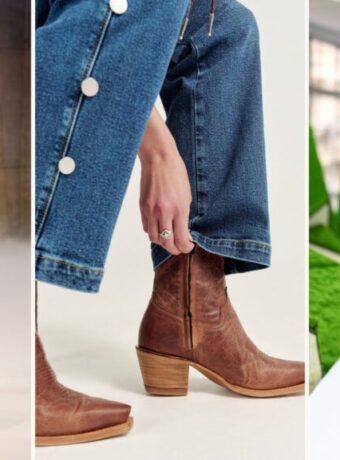
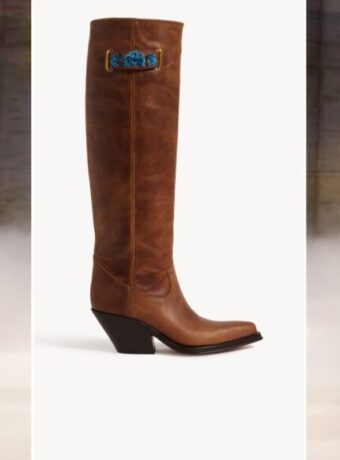
Cowboy Core distills traditional Western elements—cowboy boots, wide-brim hats, raw denim, fringe, leather, turquoise—into a refined contemporary language. What once functioned as ranch wear has become a global signal of independence, resilience, and taste.
Unlike micro-trends driven by social algorithms, Cowboy Core is anchored in craftsmanship and longevity. Leather that patinas. Denim that wears in, not out. Boots built for decades, not drops. In an era of AI sameness and fast-fashion churn, Western aesthetics feel grounding, even defiant.
This resurgence reflects a broader psychological shift:
-
From synthetic luxury → natural materials
-
From disposable trends → heirloom pieces
-
From placeless digital life → geographic identity
The Western wear market is projected to reach $133.97B by 2030, not because it’s loud—but because it’s durable.
The Genesis of the Neo-Western Aesthetic
Cowboy Core is not a revival so much as a re-compilation of cultural memory.
Its roots span:
-
Vaquero heritage, introducing ornate leatherwork and sombrero silhouettes
-
Native American craftsmanship, adding beadwork, fringe, and symbolism
-
Post-Civil War military utility, shaping structure and function
-
Hollywood mythology, from John Wayne and Clint Eastwood to Elvis Presley’s rhinestone Nudie Suits
These layers built the cowboy into an archetype: self-reliant, land-rooted, quietly powerful.
What changed in the 2020s is scale.
The Cultural Flywheel: Nashville Country, Prestige TV, and the Myth Reset

Nashville Country Goes Global
Modern country music—centered in Nashville—has redefined how Western identity is exported. Artists like Morgan Wallen, Zach Bryan, Kacey Musgraves, and Chris Stapleton dominate global streaming while presenting a version of Americana that feels raw but refined.
Their audiences dress the part:
-
Lucchese boots with vintage Levi’s
-
Stetson hats with tailored coats
-
Fringe and leather styled as everyday luxury
Nashville has become the urban gateway to Cowboy Core, translating frontier aesthetics into globally consumable taste.
Prestige Television and Frontier Power
Few forces accelerated Cowboy Core more effectively than prestige television.
-
Yellowstone reframed Western wear as serious wealth. The Dutton family aesthetic—waxed jackets, worn denim, heirloom boots—positioned land, lineage, and restraint as the ultimate status symbols.
-
Landman extended the myth into modern Texas oil culture, emphasizing hard assets, risk, and masculine minimalism. Power here is earned, not inherited—and it looks Western.
Together, these shows reset the American myth:
-
Land > liquidity
-
Silence > spectacle
-
Permanence > performance
Cowboy Core became the visual language of that worldview.
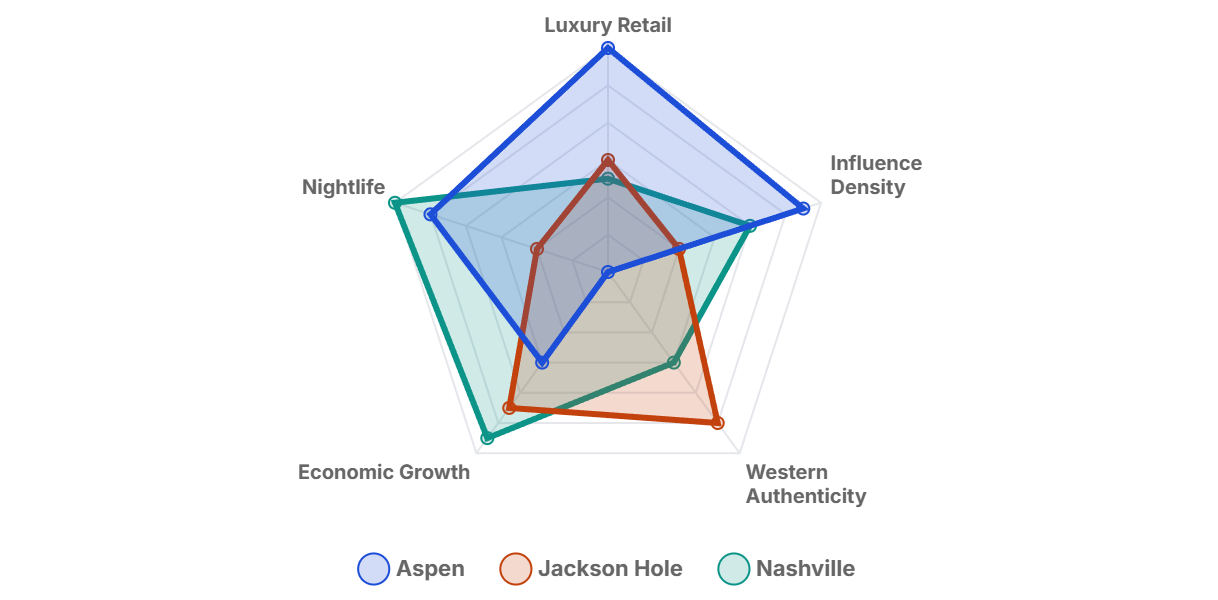
Aspen: The Capital of Mountain-Chic Influence

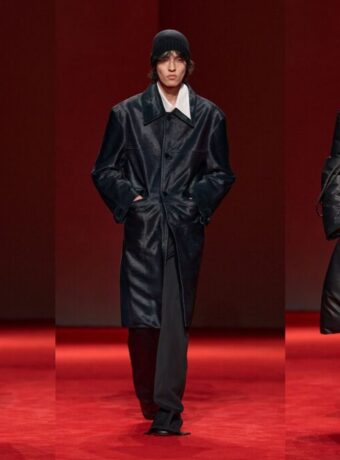
Aspen now functions as a high-altitude runway where Western heritage and global luxury coexist. Influencers, collectors, and high-net-worth individuals gather not just to ski—but to signal taste.
Traditional Western outfitter Kemo Sabe anchors the aesthetic, while Prada, Gucci, and Louis Vuitton legitimize it at scale. Celebrities have accelerated this gravity:
-
Jeff Bezos and Lauren Sánchez in modern Western silhouettes
-
Rihanna pairing Kemo Sabe boots with Bottega Veneta and Saint Laurent
Aspen’s appeal lies in visual credibility. Every fireside lounge, café, and slope doubles as content—curated, restrained, aspirational.
Event-Driven Momentum: Fashion, Sport, and Spectacle
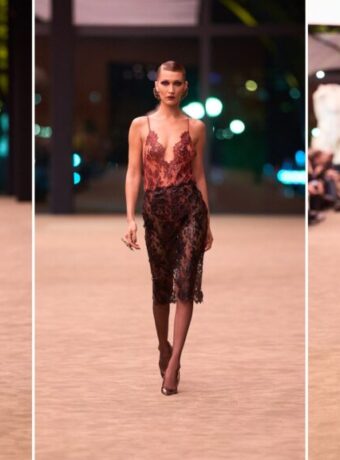
Aspen Fashion Week’s 2025 debut formalized the town’s role as a fashion capital. Mountain-chic runways, après-fashion soirées, and pop-ups from Alice + Olivia x Kemo Sabe, Kiton, and Rag & Bone blurred the line between lifestyle and luxury.
Meanwhile, the X Games evolved into a cultural platform where action sports, music, and fashion collide. Prada Linea Rossa’s involvement signals a deeper truth: Cowboy Core is not anti-performance—it is post-performance, merging function with taste.
Jackson Hole: Authenticity as Luxury

If Aspen is polish, Jackson Hole is legitimacy. Here, the “Yellowstone Effect” manifests as lived experience.
The luxury anchor is Amangani, a minimalist stronghold overlooking the Tetons—sandstone, redwood, firelight. Influencers come for authenticity without compromise.
The Million Dollar Cowboy Bar, operating since 1937, offers unfiltered Western culture: saddle stools, live music, zero irony.
This authenticity has real economic impact. Jackson Hole luxury real estate surged in 2025 as buyers prioritized land scarcity and long-term asset resilience.
Bozeman, Nashville, and the Expanding Frontier
Cowboy Core continues to diffuse outward:
-
Bozeman, Montana attracts buyers seeking lifestyle freedom and mountain access, anchored by the Kimpton Armory Hotel.
-
Nashville represents the urban evolution—Disco Cowboy culture—where Louis Vuitton bags pair effortlessly with Lucchese boots. Hermès’ expansion confirms Western luxury is now infrastructure, not trend.
Wellness Meets Western: Functional Frontier Luxury
A surprising extension of Cowboy Core is Western-themed wellness. Products like Cowboy Colostrum—marketed as “nature’s liquid gold”—have achieved luxury status via Erewhon placement and celebrity endorsements.
This reflects a broader rule of modern luxury: it must perform. Provenance, function, and story matter as much as aesthetics.
Market Outlook: Why Cowboy Core Endures
Cowboy Core is structurally resilient:
-
Rooted in heritage and craft
-
Reinforced by music and television
-
Validated by luxury brands
-
Supported by real capital flows (travel, real estate, wellness)
Search trends show explosive growth in “sustainable Western wear” and declining interest in costume Western aesthetics. As we move into 2026, the look becomes quieter, sharper, and more integrated into everyday luxury.
This is not nostalgia.
It’s future-proofing through tradition.
TL;DR
Cowboy Core has evolved into a global luxury movement driven by heritage craftsmanship, Nashville’s country music resurgence, prestige TV like Yellowstone and Landman, influencer culture, and a post-digital craving for land, permanence, and authenticity. Aspen, Jackson Hole, Bozeman, and Nashville now define a new frontier where Western aesthetics signal modern power, taste, and longevity.
Tags: