Emily Ratajkowski and the Gucci Giglio: A Brand Initiative That Feels Bigger Than a Campaign
*Disclosure: This post may contain affiliate links. If you make a purchase, we may earn a small commission at no extra cost to you. Thanks for supporting TwoStep and Tequila!
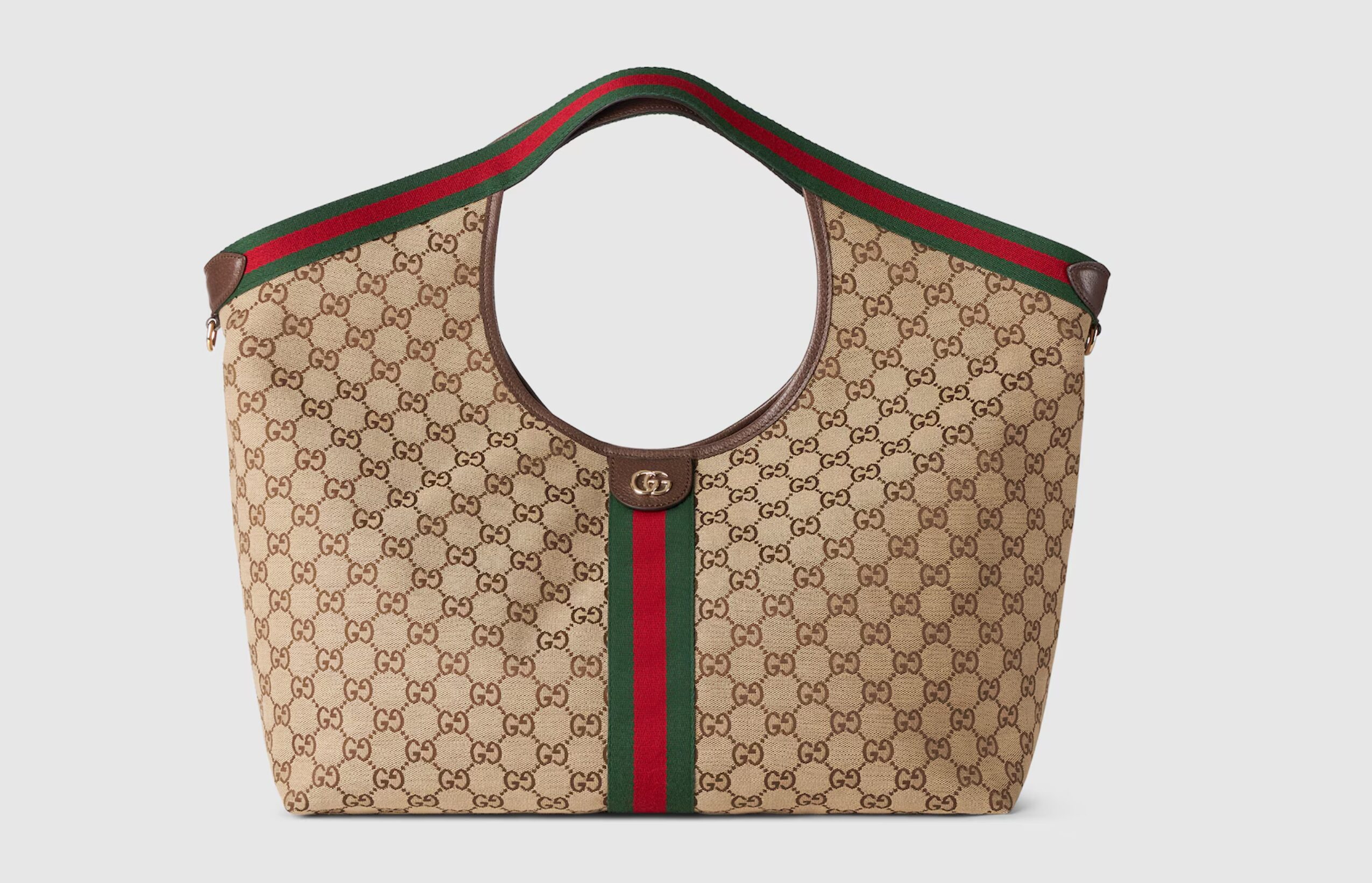
Gucci has always known how to make a handbag feel like more than an accessory. But with the Gucci Giglio, the House seems to be doing something more strategic: reconnecting product, heritage, and cultural relevance in a way that feels sharp, intentional, and incredibly well timed. The bag itself was introduced as part of Gucci Cruise 2026 and takes its name from the Italian word for lily, the longtime symbol of Florence, Gucci’s founding city. Gucci describes the Giglio as an ode to Florence, with the bag available online and positioned as part of the brand’s evolving modern design language. 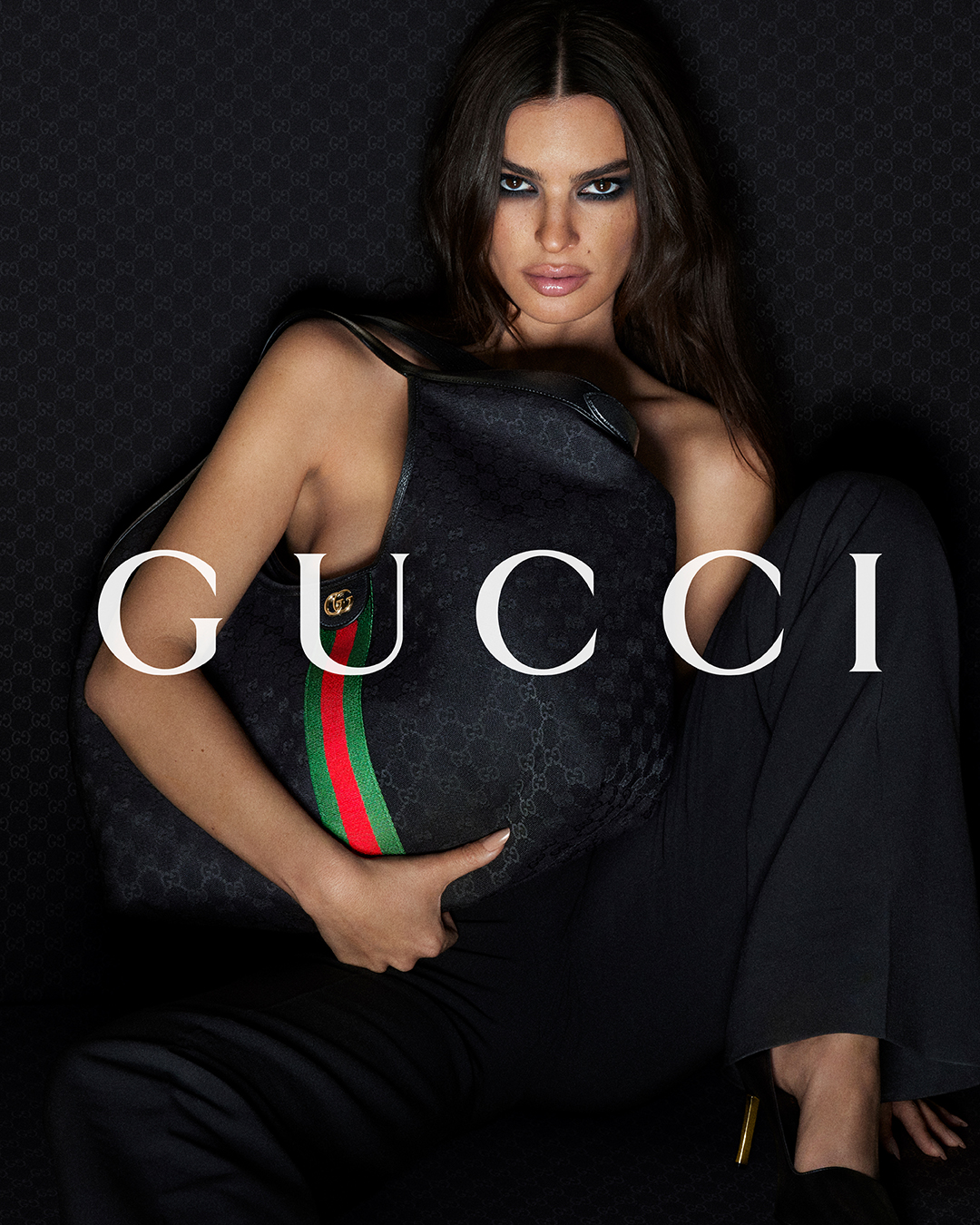
And then there is Emily Ratajkowski.
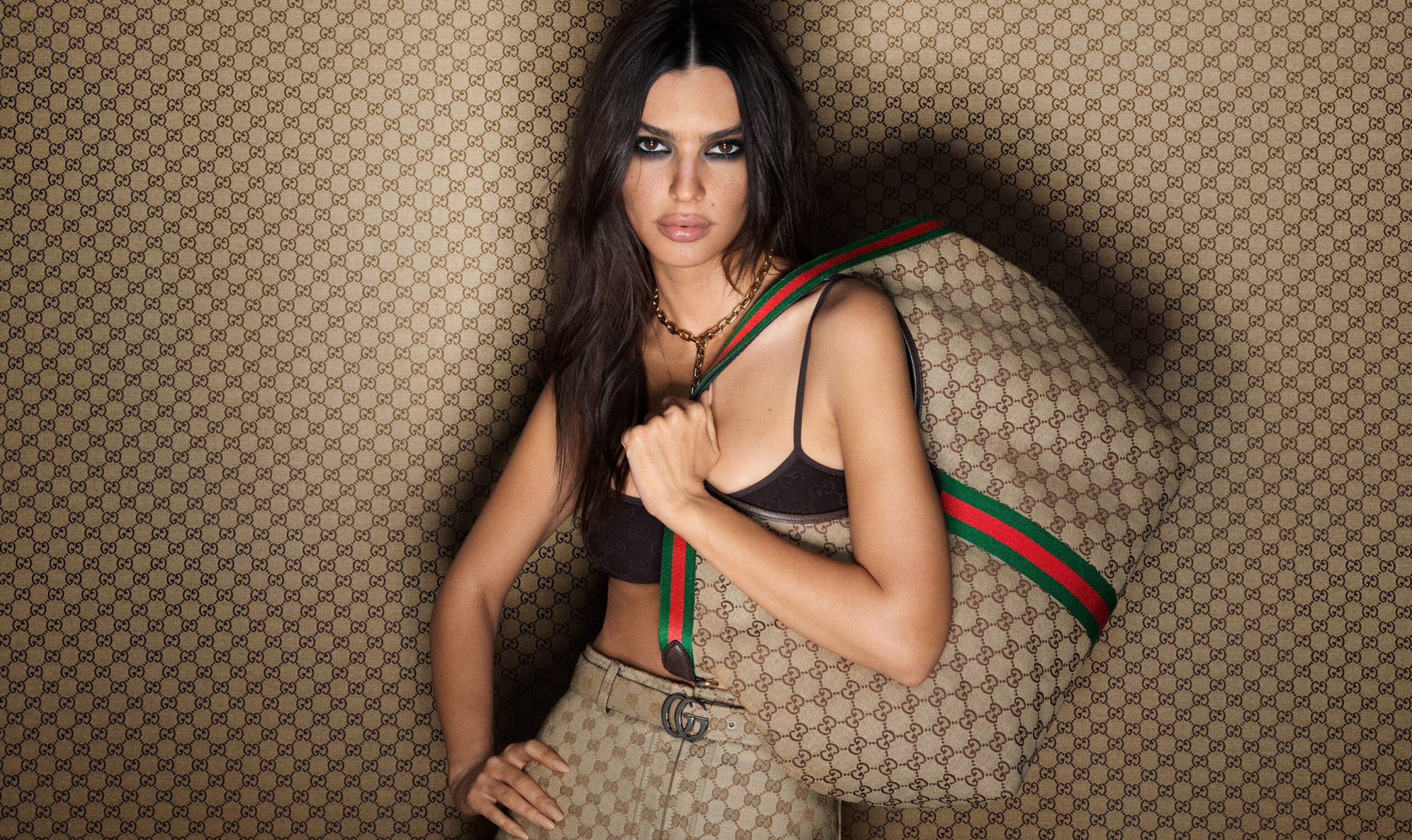
If Gucci was looking for someone who could make the Giglio feel both aspirational and wearable, editorial and immediate, EmRata makes a lot of sense. Gucci has featured her in multiple recent monogram-driven initiatives, including its GG Obsession campaign and a later handbag-focused campaign that specifically pairs Kate Moss with the Borsetto and Emily Ratajkowski with the Giglio. That continuity matters. It suggests this is not a one-off casting choice, but part of a broader brand image play centered on modern sensuality, ease, and instinctive luxury.
The Gucci Giglio Is a Heritage Bag Without Feeling Stuck in the Past
What makes the Giglio interesting is that it is unmistakably Gucci without feeling overworked. The design leans into the House’s most recognizable visual language: an all-over interlocking GG monogram, red-and-green web accents, and a silhouette that feels tied to Gucci’s equestrian and luggage history. But instead of making the piece feel archival or costume-like, the bag comes across soft, oversized, functional, and relevant to how women actually dress now. Gucci’s own product language positions it as a versatile, tote-inspired design meant for everyday style. :contentReference[oaicite:2]{index=2}
That is the sweet spot luxury brands keep chasing: heritage that still feels alive.
The Giglio has a rounded cut-out handle, an unstructured body, a soft and malleable feel, a hidden magnetic closure, and a detachable pouch for smaller essentials. Depending on the version, it is offered in suede, monogram canvas, and leather, in both large and small sizes, with some small versions including a crossbody strap. In other words, Gucci did not just design a runway bag. It designed a luxury tote that can credibly live in the real world. :
Why Emily Ratajkowski Works So Well for This Moment
Emily Ratajkowski has become one of fashion’s most effective shorthand symbols for a certain kind of modern luxury: sexy but not forced, visible but not try-hard, polished without looking overstyled. In Gucci’s recent monogram campaign, she was photographed by Daniel Arnold in Cannes, with the House emphasizing her “daily rhythm” and the monogram as a constant companion across changing moments of the day. That framing is important because it shifts the bag from pure fashion object to personal uniform. :contentReference[oaicite:4]{index=4}
That is what makes this initiative feel strong. Gucci is not simply asking consumers to admire the Giglio. It is asking them to imagine the Giglio as part of a lifestyle that feels effortless, sensual, and culturally fluent.
Ratajkowski has always carried that kind of influence well. She does not just wear luxury; she gives it motion. She makes it feel lived in. For a bag like the Giglio, which is built around softness, flexibility, and everyday ease, that alignment feels exact.
A Smart Product Story Inside a Larger Gucci Reset
The most compelling luxury campaigns right now are not only about celebrity. They are about world-building through product. Gucci appears to understand that. Recent coverage around the campaign and related events positioned the Giglio not just as a new handbag, but as a key piece within Gucci’s current monogram and accessories narrative. Vogue’s reporting on a Gucci-hosted event in East Hampton described the Giglio as a highlight of the House’s newer monogram push, tracing it back to the Cruise 2026 show in Florence. :contentReference[oaicite:5]{index=5}
That is why this feels bigger than a bag launch. It feels like Gucci is tightening the connection between:
- its Florentine identity,
- its iconic monogram language,
- its accessories business, and
- the kind of women who make fashion feel culturally current.
The Giglio is not screaming for attention. It is doing something smarter. It is making Gucci feel confident again.
Final Thoughts
The best luxury brand initiatives make you feel like the product was always supposed to exist. That is the energy around the Gucci Giglio. It does not feel random. It feels inevitable.
With Emily Ratajkowski helping lead the visual story, Gucci has found a way to make heritage feel seductive again without losing sophistication. The Giglio is rooted in the House’s past, but it is clearly designed for the woman moving through fashion right now.
And that is what makes the initiative so effective: it is not just beautiful branding. It is brand alignment.
TL;DR
Emily Ratajkowski’s role in Gucci’s recent handbag and monogram campaigns makes the Gucci Giglio feel like more than a product launch. Introduced with Cruise 2026 and named after Florence’s lily symbol, the Giglio blends Gucci’s heritage codes with a soft, modern tote silhouette. The result is a smart luxury initiative that reconnects product, identity, and cultural relevance. :contentReference[oaicite:6]{index=6}
Tags: gucci giglio, emily ratajkowski, gucci handbag, luxury handbags, gucci cruise 2026, designer tote bags, fashion campaign, gucci monogram, luxury fashion trends, high fashion accessories